UI-on-demand
Jun 2026
Continuing the thread I’ve been sharing here on how I see the future of AI, I’ve already talked about the business opportunity of adapting products not only for humans, but also for agents. There’s another market shift that feels increasingly clear to me.
First, apps and digital solutions are going to become more and more saturated. We’ve never seen so many apps being launched. The speed at which they evolve is massive, and so is the competition. It has become incredibly accessible to look at a product you already use, identify a pain point, fix it, and launch your own version for others to try. You can already find examples of people scraping negative reviews from existing apps, identifying the most common complaints, and building a product that addresses those exact problems.
I don’t think this is a bad thing. Quite the opposite. I think it’s a great exercise, and one of the best ways to understand what AI is capable of today. I also believe this window of opportunity will probably exist for the next 2 to 5 years. But I also think I can already see what comes next, and what may eventually disrupt that opportunity.
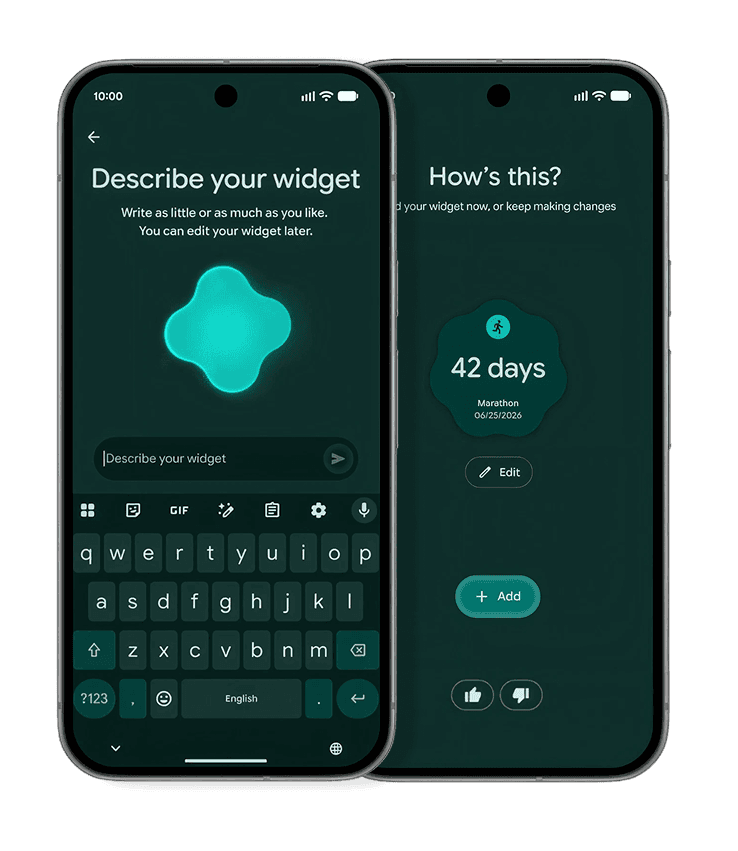
I’m not sure what the official term will be, but I’ve been calling it “UI-on-demand.” The idea is simple: instead of downloading a dedicated app for every single use case, your device generates the right interface for you, at the exact moment you need it.
Think about Uber. Instead of downloading the Uber app, opening it, setting your destination, choosing a ride, confirming payment, and tracking the driver, what if you could simply tell your device: “I need a ride from point A to point B.” Then, in that moment, your OS generates a native experience that already understands your preferences, knows your saved addresses, has access to your payment methods, uses an interface language you’re familiar with, and can even compare competing services to find the best price or fastest option. Would you still need a dedicated app?
To me, the next step starts to become very clear: UI-less experiences, where the agent handles the task for you and only shows you the result. And UI-on-demand experiences, where you interact with a screen only when it is actually necessary, in a way that is fully personalized to you.
This shift will not happen overnight, which means there will be a very interesting window of opportunity for the people and companies that learn how to navigate it. Is it a little scary? Yes. Leaving the comfort zone and exploring a new paradigm always is. But it’s also incredibly exciting to be living through this transformation in real time.
Apple and Google are already shipping pieces of this future: interfaces generated on demand for the user.